The industrial refrigeration landscape shifts rapidly as new safety standards and environmental regulations emerge. To keep pace, facilities must ensure their personnel remain highly skilled and fully compliant with federal mandates. Historically, providing elite education required expensive travel or hosting an instructor onsite for several days. However, modern technology now allows companies to access comprehensive anhydrous ammonia training through a dynamic, digital environment. Live webinars offer a bridge between geographical limitations and the urgent need for expert-led safety instruction.
Breaking Geographical Barriers with Nationwide Training
Many essential facilities operate in remote regions far from major metropolitan hubs. Finding local experts who understand the nuances of RAGAGEP (Recognized and Generally Accepted Good Engineering Practices) often proves difficult for these sites. Consequently, many organizations settle for outdated materials or delay critical safety updates due to the logistical nightmare of travel. Live webinars eliminate these hurdles by delivering high-level instruction directly to any engine room or office with an internet connection.
This “classroom without walls” approach empowers managers to schedule sessions that fit the specific rhythm of their operations. Instead of losing an entire week to travel, technicians log in for focused modules that respect their time and the facility’s production goals. Furthermore, this format allows a single company with multiple locations across the country to train their entire workforce simultaneously. Providing comprehensive anhydrous ammonia training to a nationwide team ensures that every operator, from Maine to California, follows the exact same safety protocols and operational logic.
The Interactivity Factor: Engaging the Modern Learner
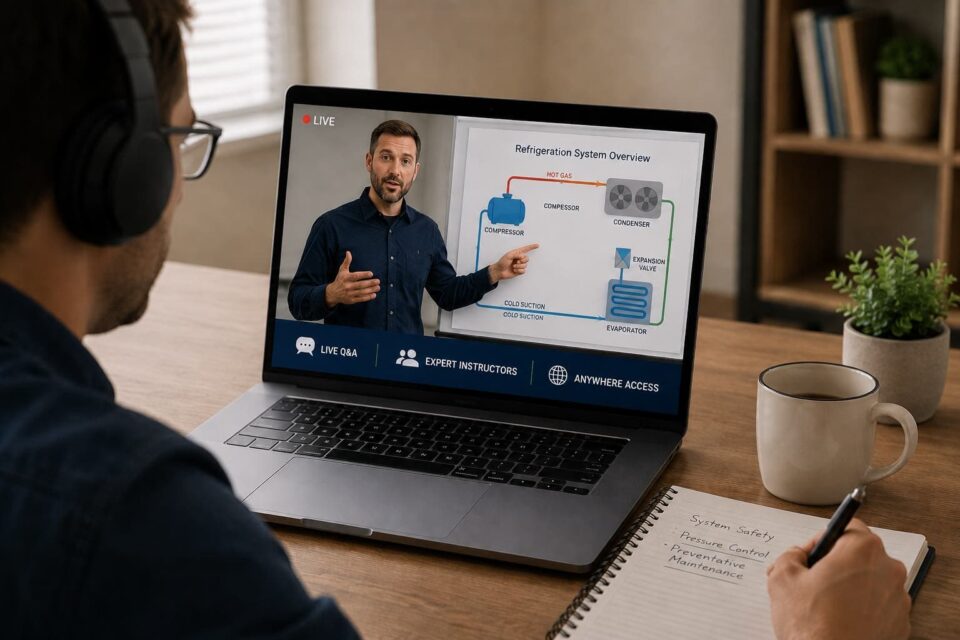
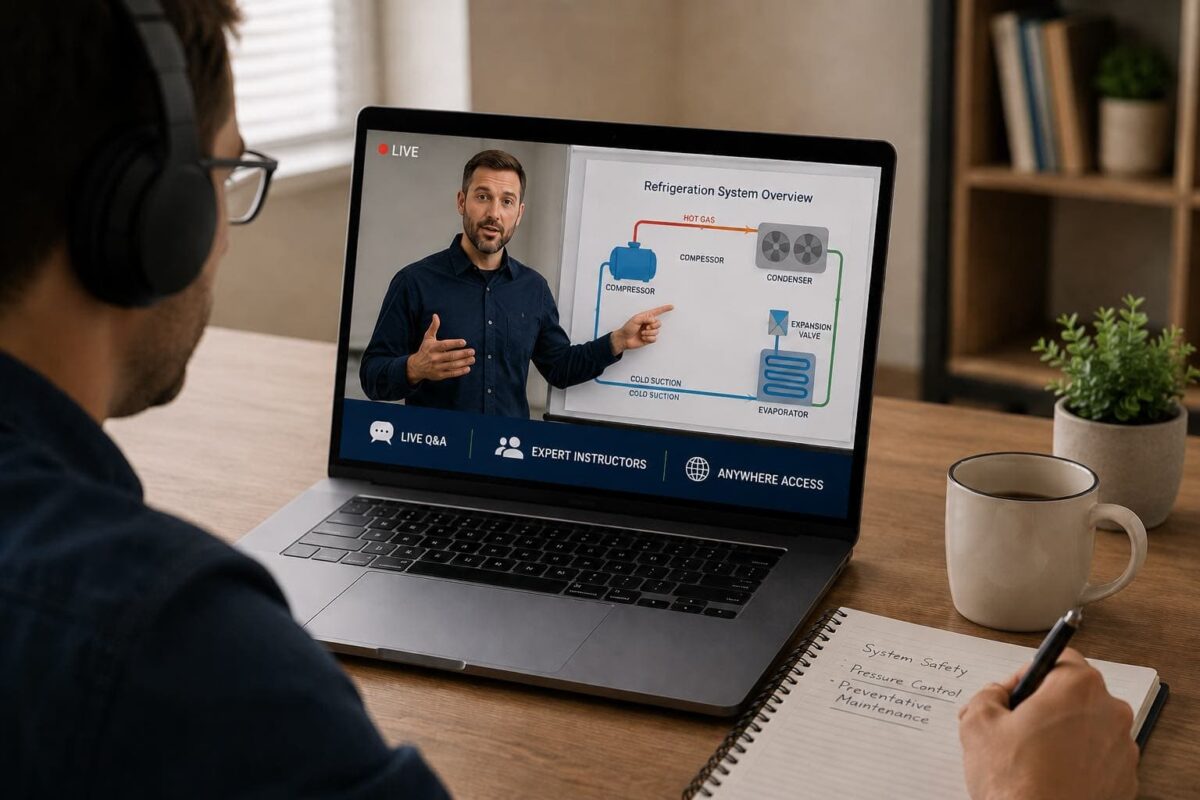
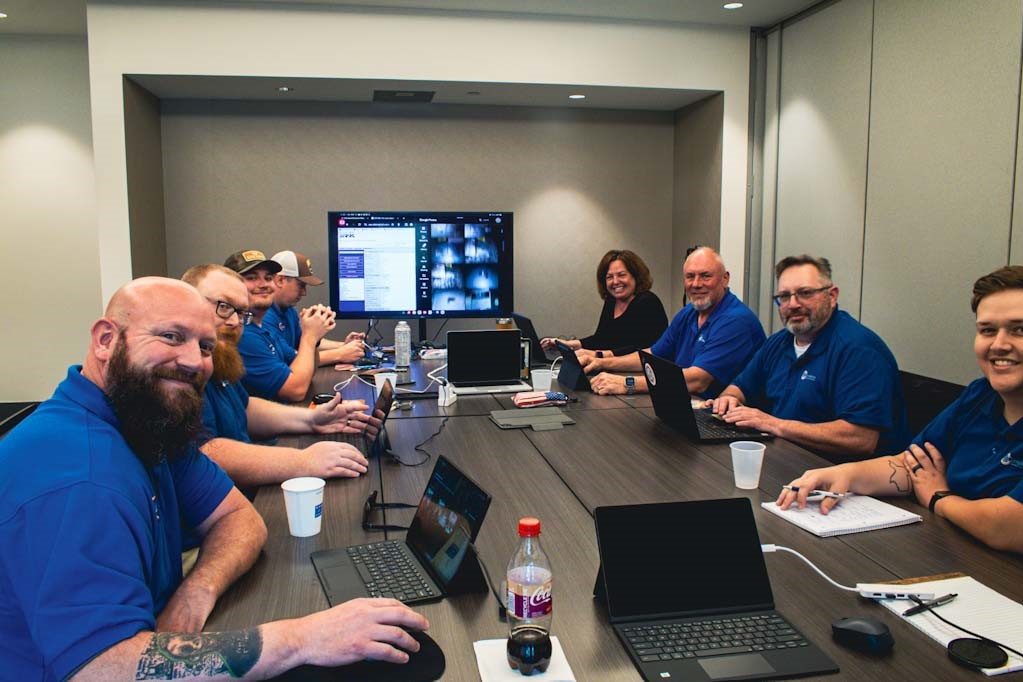
A common misconception suggests that remote learning feels passive or disconnected. In reality, modern webinar platforms foster a high level of engagement through real-time interaction. Students do not simply watch a pre-recorded video; they participate in a live dialogue with industry veterans. Therefore, if an operator struggles to understand a complex concept like saturated suction pressure or oil return logic, they ask a question and receive an immediate, detailed answer.
Effective digital instruction utilizes several tools to keep the team focused:
-
Real-Time Polling: Instructors gauge the class’s understanding of safety relief valve intervals or P&ID symbols instantly.
-
Virtual Whiteboards: Experts illustrate the flow of ammonia through a two-stage system, highlighting critical shut-off points.
-
Breakout Rooms: Technicians collaborate on “What-If” scenarios, simulating the decision-making process required during a system upset.
By utilizing these features, a comprehensive anhydrous ammonia training session becomes a collaborative experience. Technicians share their own field challenges, allowing the instructor to tailor the advice to real-world problems. Additionally, this interactivity builds confidence, ensuring that operators leave the session ready to apply their knowledge to the specific equipment in their own facility.
Cost-Effectiveness Without Compromising Quality
Budget constraints often force maintenance managers to choose between training a few “key” employees or providing basic awareness to everyone. Digital delivery changes this math entirely. By removing the costs of flights, hotels, and per diems, companies can afford to enroll their entire department in comprehensive anhydrous ammonia training. This democratization of knowledge elevates the safety culture of the whole organization, not just a select few.
Moreover, the quality of instruction remains identical to an onsite visit. The same certified instructors who lead physical workshops facilitate these webinars. They bring the same decades of PSM (Process Safety Management) experience and technical mastery to the screen. Since the core curriculum remains grounded in OSHA 1910.119 requirements, the facility receives the exact same compliance value without the logistical overhead.
Documentation and Compliance in a Digital Age
In the world of industrial safety, an undocumented training session essentially never happened. One of the greatest advantages of the webinar format involves the ease of record-keeping. The platform automatically tracks attendance, participation time, and quiz scores. Consequently, HR managers receive a neat, digital package of training records ready for the next OSHA or EPA audit.
Satisfying the “Employee Participation” and “Training” elements of the PSM standard becomes significantly easier with a structured digital program. When a facility commits to comprehensive anhydrous ammonia training via live webinar, they create a clear, auditable trail of professional development. This documentation proves to regulators that the company takes its General Duty Clause obligations seriously and prioritizes the well-being of its staff.
Preparing for the Future of Industrial Training
The industrial refrigeration industry will only become more complex as energy efficiency and low-charge systems gain prominence. Staying ahead of these trends requires a flexible, scalable approach to education. Thus, the live webinar serves as the ultimate tool for the modern facility manager. It provides the depth of comprehensive anhydrous ammonia training while maintaining the agility needed in a 24/7 production environment.
Elevating Your Team Today
By embracing the power of live webinars, you bring world-class expertise directly to your team’s fingertips and ensure that distance or budgets never compromise the safety of your refrigeration system. Whether you need to prepare operators for RETA certification or refresh your department on emergency response procedures, comprehensive anhydrous ammonia training is now more accessible than ever. Take the first step toward a safer, more knowledgeable workforce by exploring our nationwide digital training schedule today.