The history of refrigeration stretches back millennia, starting with ancient civilizations using ice and snow for preservation. Over time, this evolved dramatically, moving from simple cooling to complex mechanical systems. However, the widespread adoption of industrial refrigeration—particularly systems utilizing hazardous materials like ammonia—created an urgent need for standardization, safety, and expert training. This need gave rise to the Refrigerating Engineers & Technicians Association, or RETA.
The Inception and Purpose of RETA
The Refrigerating Engineers & Technicians Association began in 1910. Initially, the organization formed to bring together the skilled engineers and technicians who operated, maintained, and managed these increasingly sophisticated refrigeration systems. Consequently, these professionals sought a common platform to share knowledge, address challenges, and standardize best practices in an industry vital to the nation’s food, chemical, and energy infrastructure.
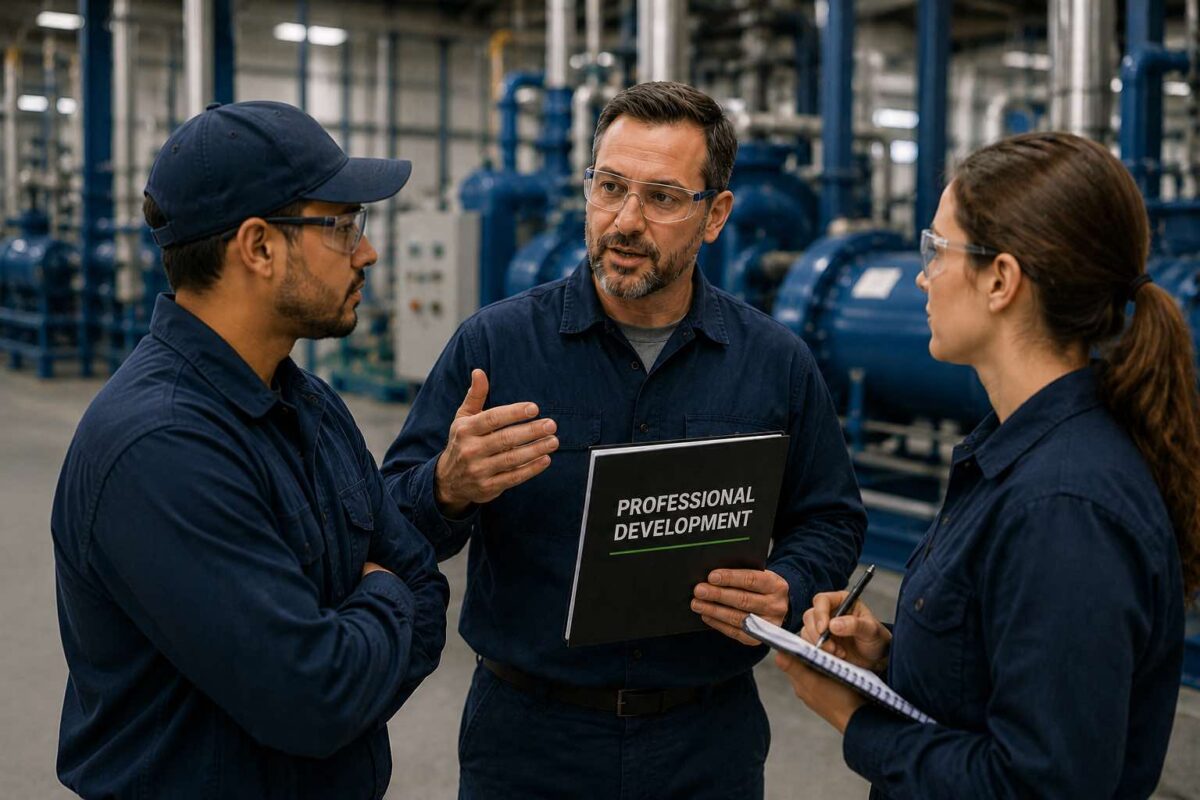
RETA’s core purpose remains centered on the professional development of its members. They achieve this by establishing comprehensive training standards and certification programs. Therefore, RETA’s goal is to ensure that every technician possesses the necessary knowledge and practical skills to operate refrigeration systems safely, efficiently, and in full alignment with complex regulatory requirements. This focus on expertise is what truly drives safety in the field.
A Foundation Built on Expertise: The History of Refrigeration
Before the advent of mechanical refrigeration, preservation relied on natural ice harvested in the winter or imported from colder climates. Furthermore, the early mechanical systems of the mid-19th century were often custom-built and lacked uniform operating procedures. This inconsistency posed significant safety risks, particularly when working with high-pressure and toxic refrigerants.
The formal organization of RETA aimed to address this historical lack of uniformity. By establishing official training materials and a standardized body of knowledge, RETA began to professionalize the entire industry. The History of refrigeration is essentially a story of increasing complexity, and RETA stepped in to manage that complexity, turning it into a structured, teachable discipline.
Driving Compliance and Setting High Standards
RETA has become the recognized leader in setting competence standards for industrial refrigeration operators. They maintain these high standards through several key initiatives:
-
Certification Programs: RETA offers widely recognized professional certifications, including Certified Industrial Refrigeration Operator (CIRO) and Certified Refrigeration Energy Specialist (CRES). These certifications are not merely attendance records; they require passing rigorous, experience-based exams that test a technician’s real-world ability to safely and effectively manage complex systems. Because these certifications are industry-vetted, they provide regulatory bodies like OSHA and the EPA with a reliable benchmark for technician competency.
-
Educational Materials and Training: RETA develops and publishes comprehensive instructional resources, including manuals, courses, and educational videos. Consequently, these materials serve as the foundational curriculum for training providers nationwide, ensuring consistency in the knowledge base across the entire industrial refrigeration sector. They translate complex technical and regulatory language into practical operating procedures.
-
Collaboration with Regulators: RETA works closely with regulatory agencies, including those responsible for the Process Safety Management (PSM) standard (OSHA) and the Risk Management Plan (RMP) rule (EPA). Thus, RETA’s expertise helps shape practical guidance and compliance tools, ensuring that regulatory requirements are technically sound and achievable in real-world facilities.
-
Adherence to Safety Codes: The organization diligently promotes adherence to codes and standards established by groups like the International Institute of Ammonia Refrigeration (IIAR). By integrating IIAR safety requirements into their training and certification exams, RETA ensures that technicians understand and implement the very latest best practices for system design, operation, and maintenance.
The Ongoing Evolution of the History of Refrigeration
The History of refrigeration continues to evolve, driven by environmental concerns, energy efficiency goals, and new technology. New refrigerants, advanced control systems, and stringent environmental mandates constantly challenge technicians. However, RETA’s commitment to education keeps the workforce current.
RETA actively ensures that its certified professionals remain at the forefront of these industry changes. They require Continuing Professional Development (CPD) for maintaining certifications, which forces technicians to stay up-to-date on new regulations, equipment, and safety protocols. Since the industry never stands still, RETA’s ongoing education requirement is essential for maintaining the high standards of safety and compliance required today.
RETA’s dedication to education and certification ensures that the transition from simple ice storage to sophisticated industrial cooling systems is handled by highly skilled, knowledgeable professionals. They have truly cemented their role as the driving force behind technician competence, safety, and regulatory compliance in the world of industrial refrigeration. The continued success and safety of the industry depend heavily on the rigorous standards RETA establishes and maintains.